
NakodaX

Situations · Document protection

What happens to your data room when the deal dies?

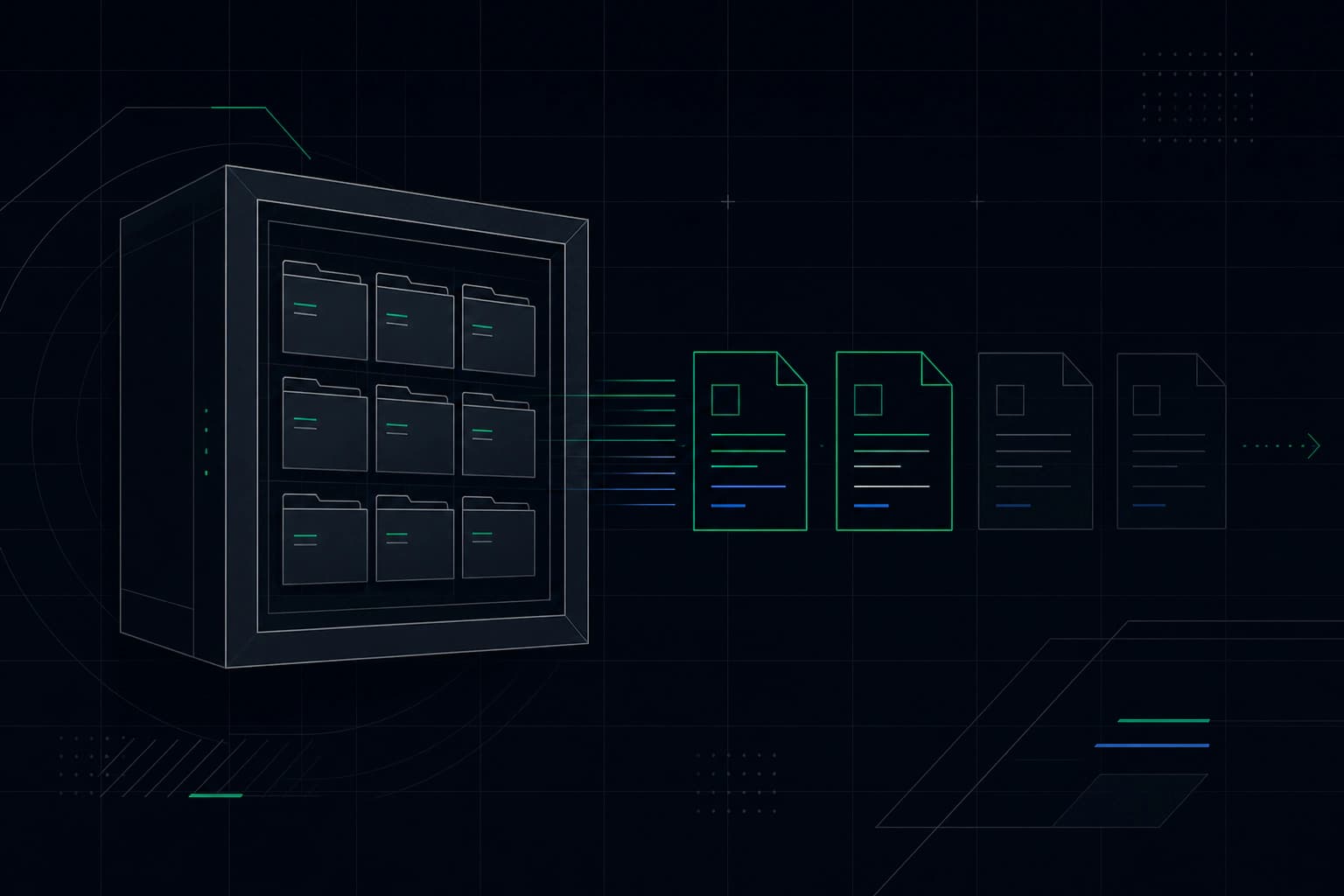
A data room releasing documents outward to bidders, the furthest copies beyond reach.

When a deal falls through, everything bidders downloaded from the data room stays with them: on laptops, in document systems, in backups. Closing the data room only stops new downloads. The only enforceable alternative is sharing documents that require ongoing permission to open, so access can be revoked when the process ends.

Everything leaves in week one

Diligence is not a slow drip. In the first week of a process, every bidder downloads everything, because that is what their advisers are paid to do. Financials, contracts, the customer list, the cap table, the employment agreements, the litigation history.

By the time the process is a month old, the data room is a formality. The material already lives somewhere else, in a form you cannot see and did not agree to.

It is not the bidder who holds it

This is the part most sellers underestimate. You ran a process with three named bidders, so you think about three companies. The actual distribution list is longer.

Each bidder brought a corporate development team, a law firm, an accounting firm, and often a strategy consultancy. Each of those brought associates. Every one of them downloaded what they needed to do their piece of the work, into their own document management system, under their own retention policy, backed up on their own schedule.

Three bidders is comfortably thirty organisations and a hundred individuals, and you were never given the list.

Closing the room closes nothing

When the process ends, the data room is switched off and everyone receives the letter asking them to destroy their copies. Some will forward it internally. Some will action it for the files they remember.

None of it reaches the copy on a laptop, the version in a partner’s email, or the backup that runs regardless. The letter is a record that you asked, and it is filed as though it were a record that it happened.

One of those bidders decided not to buy you. They are still in your market next quarter, holding the most complete picture of your business that has ever existed outside it.

The version where access ends that afternoon

Run the room with documents that require permission on every open, and the end of the process becomes an action rather than a request.

You revoke. The next time anyone tries to open anything, from any copy, it does not open. The one downloaded in week one, the one forwarded to an associate, the one filed in a document system you have never heard of.

Nothing about diligence changes for the people doing it. They click and read as before, with no account to create and nothing to install, which matters because friction in a live process is not a risk worth taking.

What you also get is the readership

A side effect worth having: you can see which bidder actually read the customer contracts, and which one opened the financials forty times in two days.

That is not a reason to buy this on its own. But in a process where you are reading intent from the tone of emails, knowing who is genuinely working is worth something.

What changes

Every document in that data room is a link you control. The deal dies, you revoke, and that afternoon every copy stops opening. The downloaded ones, the forwarded ones, all of them.

access ended

Related questions

What happens to a data room after a deal falls through?
The room closes, which stops new downloads. Everything already downloaded stays with the bidders and their advisers indefinitely, across laptops, document systems and backups. Destruction letters are unverifiable, so the only enforceable option is sharing documents that require permission each time they are opened.
How do I revoke data room access after a process ends?
If documents were shared as controlled links, you withdraw permission centrally and every copy stops opening on the next attempt, including downloaded and forwarded copies. If they were shared as ordinary downloads, closing the room does not affect the copies at all.
Do bidders keep due diligence documents?
In practice yes, and usually not deliberately. Material is downloaded by advisers in the first week, filed under their own retention policies, and captured by backups. A destruction confirmation covers the copies the sender knows about, which is not the same as all of them.

This one, or one very like it

Document protection. Start where the problem actually is.