
NakodaX

Situations · Data protection

What happens when your reseller becomes a competitor

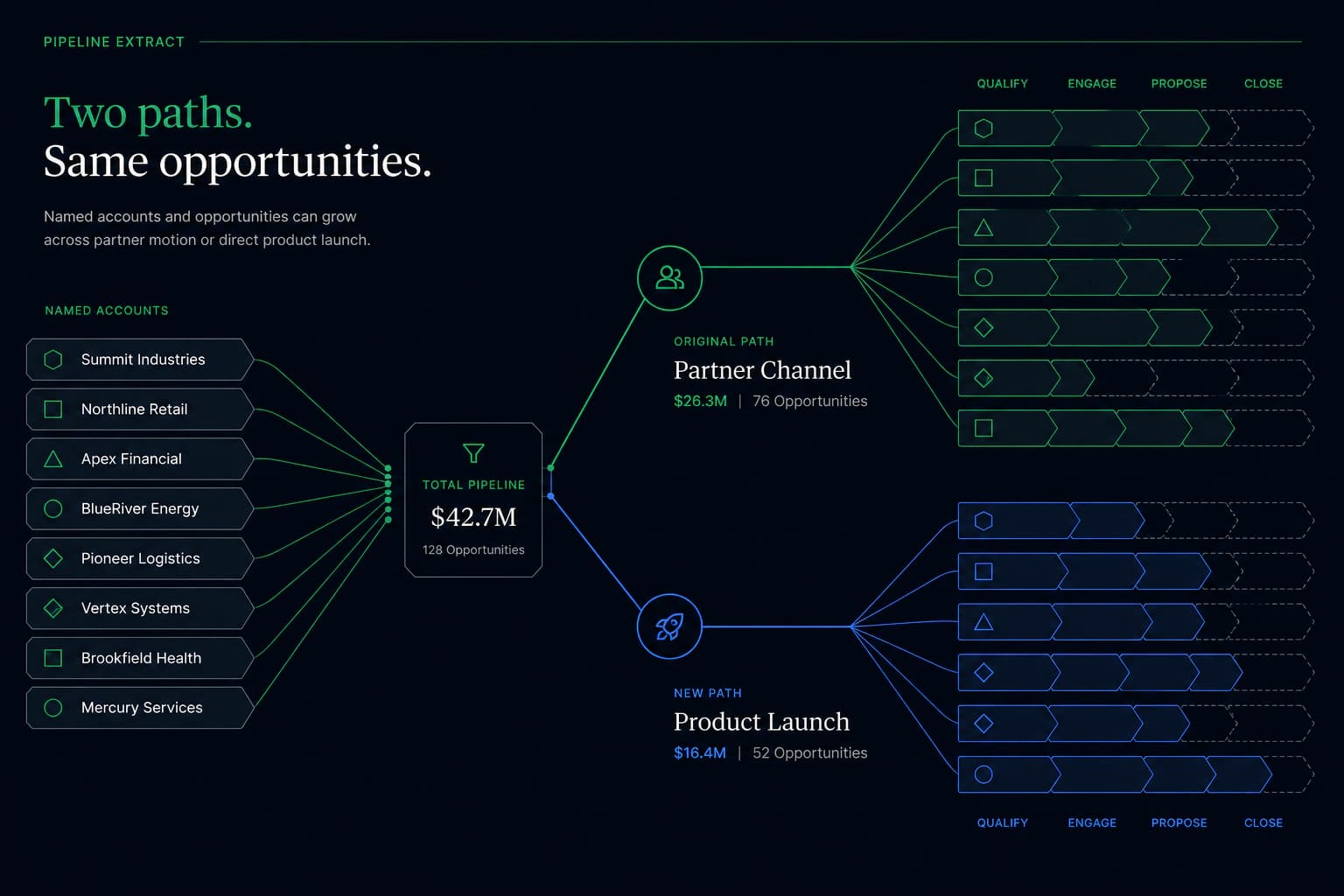
Pipeline extracts held by a former reseller now selling a rival product.

When a reseller or channel partner terminates and competes, they typically retain every extract ever sent: named accounts, deal sizes, close dates. Contracts require deletion but nothing enforces it. If extracts are sent as permission-checked files, termination revokes access to the full history, so a departing partner holds nothing that opens.

You were right to send it

A channel partner cannot sell without knowing what to sell and to whom. So they get the pipeline extract, the named accounts, the deal sizes, the close dates and the quarterly review deck that ties it together.

Withholding it would have meant a worse partnership and less revenue. This story does not have a mistake in it, which is what makes it uncomfortable.

The six-months-later problem

Partnerships end. Sometimes badly, more often just quietly, as strategies drift.

Then, two quarters after termination, they launch something that competes with you. Perhaps they always intended to. Perhaps selling your product taught them the market was worth entering directly. Either way, the most valuable document in your industry is now sitting in their systems, and it is not their product roadmap. It is your customer list, annotated with what each account spends and when they renew.

Sixteen quarters of extracts is a complete competitive map, assembled by you, at your expense, and handed over one file at a time.

Termination that lands on the data

Your agreement says they will return or destroy confidential information on termination. It has said that in every version since the first one, and it has never been tested, because testing it would mean an audit nobody wants to run against a company they may work with again.

When extracts are sent as permission-checked files, termination does what the clause always claimed. You withdraw permission and every extract you ever sent stops being readable, from the first quarter to the last.

The distinction that matters: this is not deletion. The bytes may still sit on their servers. What has ended is the ability to open them, which is the outcome the clause was buying.

It also changes the relationship while it is healthy

There is a quieter benefit that has nothing to do with the bad ending.

Because access is per partner and per file, you can be more generous during the partnership rather than less. Sharing richer data is a smaller decision when the sharing is reversible, so partners get more of what they need to sell, not less.

The reason most companies under-share with channel partners is precisely that they cannot take it back.

What changes

Termination is effective on the data too. Every extract and every deck you ever sent goes dark on the day the relationship does. What they walk away holding is nothing that opens.

access ended

Related questions

What happens when a reseller becomes a competitor?
They typically retain every extract ever sent, including named accounts, deal sizes and close dates, which together form a detailed map of your customer base. Contracts require deletion on termination but nothing enforces it, so the practical answer depends on whether the files were permission-checked.
How do you protect pipeline data shared with channel partners?
Send extracts as files that check for permission each time they are read, scoped per partner. Partners work with them exactly as before, and ending the relationship ends access to the full history rather than only to future sends.
Can you revoke a partner's access to sales data?
If the data was shared under ongoing permission, yes, in one action covering everything ever sent to that partner. Revoking one partner does not affect any other, since access is held separately per relationship.

This one, or one very like it

Data protection. Start where the problem actually is.